
Mold Remediation Company Houston: How to Choose the Right One
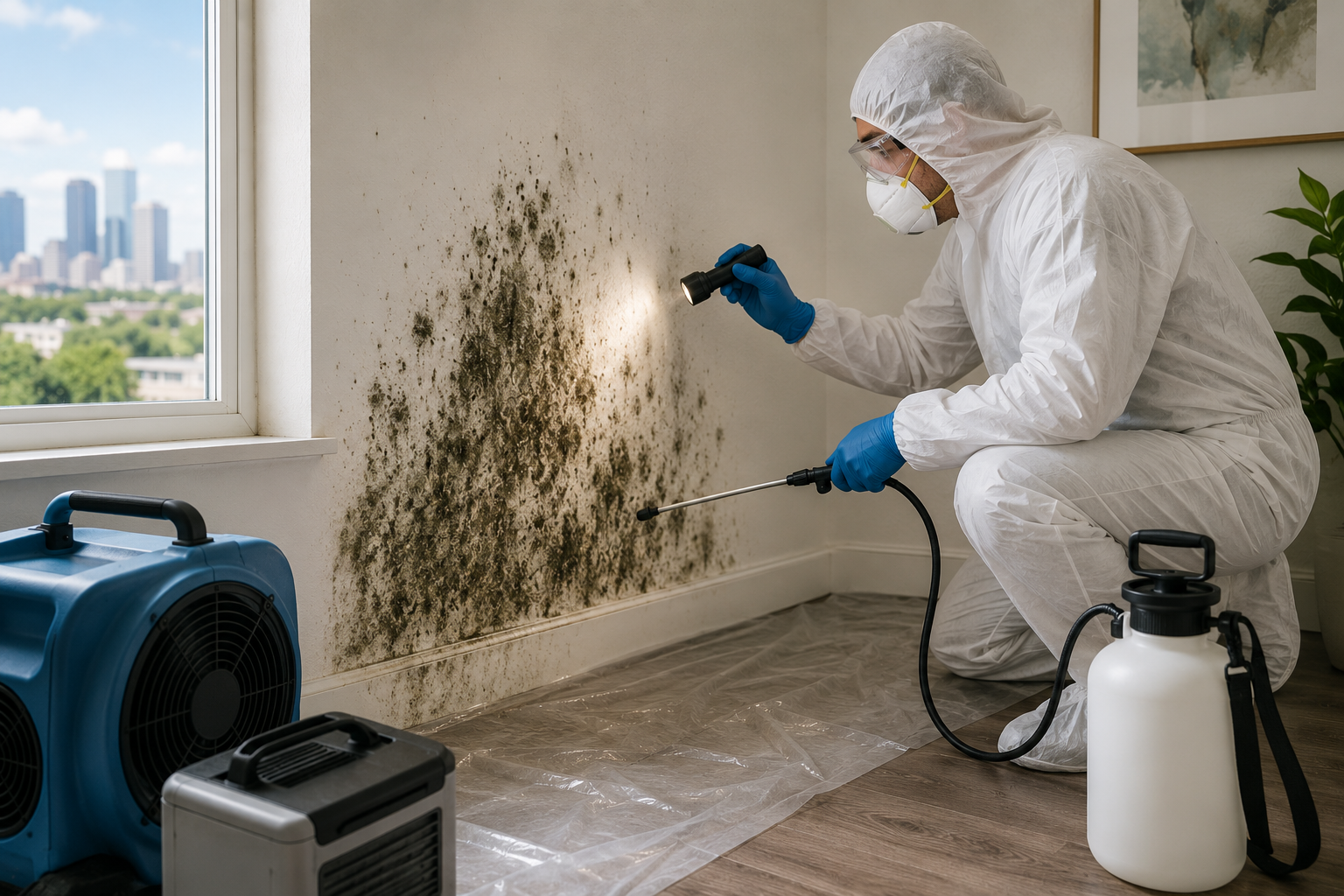
Finding mold in your home or business can be stressful, especially when you are unsure how extensive the problem is or who you can trust to fix it. In Houston, moisture-related issues can make mold problems particularly challenging, so choosing the right mold remediation company in Houston is an important decision.
The right company should do more than remove visible mold. It should approach the problem systematically, identify moisture-related causes, follow appropriate remediation procedures, and clearly explain what work is needed.
If you are comparing local providers, here are the key factors to consider before hiring a mold remediation company.
Why Professional Mold Remediation Matters in Houston
Mold needs moisture to grow. Leaks, flooding, roof damage, plumbing problems, condensation, and other moisture issues can create conditions where mold develops.
The U.S. Environmental Protection Agency (EPA) emphasizes that moisture control is central to mold control and recommends addressing water problems promptly. Porous materials can sometimes be difficult to clean completely once mold has penetrated them.
For Houston property owners, potential mold problems may follow:
- Plumbing or appliance leaks
- Roof leaks
- Storm or flood damage
- Air-conditioning or condensation problems
- Excess indoor humidity
- Water-damaged drywall or flooring
- Poor ventilation
- Hidden moisture inside walls or other building materials
Professional remediation can help determine the appropriate approach based on the property’s condition, rather than simply treating visible growth.
What Does a Mold Remediation Company Do?
Mold remediation is more than wiping or spraying visible growth. The Texas Department of Licensing and Regulation (TDLR) defines mold remediation as the removal, cleaning, sanitizing, or other treatment of mold or mold-contaminated matter.
Depending on the situation, a professional remediation project may involve:
- Assessing the affected area
- Identifying moisture sources
- Establishing appropriate containment
- Removing or cleaning contaminated materials
- Using appropriate remediation equipment
- Drying affected areas
- Cleaning and treating suitable surfaces
- Addressing the underlying moisture problem
- Documenting completed work
The exact process depends on the extent and location of the mold and the condition of the affected materials.
7 Things to Look for in a Mold Remediation Company in Houston
Not every contractor will offer the same level of experience, documentation, or service. Before choosing a company, consider these seven factors.
1. Verify Texas Licensing
One of the first things to check is whether the company has the appropriate Texas licensing for the work it performs.
TDLR regulates mold assessment and remediation in Texas and provides separate licensing categories for mold assessment companies and mold remediation companies. TDLR also provides a license-search resource that consumers can use to verify licensing information.
Ask the company for its license information and verify it through the appropriate state resource rather than relying only on a website badge or verbal claim.
2. Ask About the Remediation Process
A professional company should be able to explain what it intends to do and why.
Ask questions such as:
- How will the affected area be assessed?
- How will the moisture source be addressed?
- What materials need to be cleaned or removed?
- How will the work area be contained?
- What equipment will be used?
- How will the company document the completed work?
Clear answers can help you understand whether the company has a structured approach.
3. Make Sure the Moisture Source Is Addressed
Removing visible mold without addressing the underlying moisture problem can leave the property vulnerable to recurring issues.
The EPA specifically identifies moisture control as a key part of mold control and recommends repairing leaks and drying affected materials thoroughly.
If a company focuses exclusively on treating visible mold but does not discuss where the moisture came from, ask additional questions before proceeding.
4. Look for Relevant Experience
Mold problems can occur in different parts of a property, including:
- Attics
- Bathrooms
- Kitchens
- Crawl spaces
- Basements or other low areas
- HVAC-related areas
- Walls and ceilings
- Areas affected by water damage
Ask whether the company has experience handling the type of property and mold-related situation you are dealing with.
5. Ask About Containment and Safety Procedures
A remediation company should be able to explain how it plans to manage the affected area during the project.
Depending on the circumstances, this may include containment, controlled removal, appropriate protective equipment, specialized filtration, and careful handling of contaminated materials.
You should receive a clear explanation of what will happen before work begins.
6. Request a Written Scope of Work
Before approving a project, ask for a written description of the proposed work.
It should make clear, where applicable:
- Areas being addressed
- Materials to be cleaned or removed
- Remediation procedures
- Equipment or containment measures
- Drying requirements
- Additional restoration work
- Estimated costs
- Any exclusions
A written scope helps you compare companies based on what they are actually proposing rather than simply comparing headline prices.
7. Check Reviews and Reputation
Online reviews can provide useful information about communication, punctuality, workmanship, and customer service.
However, don’t rely on star ratings alone. Look for reviews that discuss experiences similar to your own and pay attention to how the company responds to complaints.
You can also ask for references or examples of previous remediation projects where appropriate.
Mold Remediation vs. DIY Mold Removal
Small surface-level mold problems may sometimes be manageable by property owners, depending on the circumstances and applicable guidance. However, larger or more complicated situations can require professional assistance.
Professional help may be particularly appropriate when:
- Mold covers a significant area
- Mold is suspected inside walls or other hidden areas
- The property has experienced flooding or extensive water damage
- Porous materials are heavily contaminated
- The moisture source has not been identified
- The affected area is difficult to access
- You are unsure how to safely handle the situation
The EPA recommends consulting specialists when you are unsure how to clean or handle affected materials and notes that porous materials may sometimes need to be discarded if mold has become established within them.
How Much Does Mold Remediation Cost in Houston?
There is no single price for mold remediation because every property and project is different.
The final cost can depend on:
- Size of the affected area
- Location of the mold
- Type and condition of materials involved
- Extent of moisture damage
- Required containment
- Testing or assessment requirements
- Material removal
- Cleaning and treatment
- Drying and restoration
- Accessibility of affected areas
Instead of choosing a company based solely on the lowest estimate, compare the scope of work, qualifications, documentation, and services included in each proposal.
Questions to Ask Before Hiring a Houston Mold Remediation Company
Before signing an agreement, consider asking:
- Are you licensed for mold remediation work in Texas?
- Can I verify your license?
- What caused the mold problem?
- How will you address the moisture source?
- What areas will be included in the remediation?
- Will containment be necessary?
- What materials may need to be removed?
- What equipment will you use?
- Will I receive a written scope of work?
- What documentation will I receive after completion?
- Are there additional restoration services I may need?
A trustworthy company should be comfortable answering these questions clearly.
Final Words
Mold remediation is not simply about making visible mold disappear. A successful approach should consider the source of moisture, affected materials, appropriate containment and cleaning procedures, and the condition of the property after the work is completed.
When comparing mold remediation companies in Houston, look beyond price. Verify licensing, ask about the remediation process, request a detailed scope of work, check relevant experience, and make sure the company clearly explains how it will address the underlying moisture issue.
Taking the time to evaluate your options can help you select a qualified professional who is better suited to your property’s specific needs.
Frequently Asked Questions
How do I choose a mold remediation company in Houston?
Start by verifying the company’s Texas licensing, then compare its experience, remediation process, written scope of work, reviews, insurance information, and pricing.
Is mold remediation licensed in Texas?
Texas regulates mold assessment and remediation activities. TDLR provides specific licenses for mold assessment and remediation companies and maintains information about licensing requirements.
Should a mold remediation company fix the moisture problem?
The underlying moisture problem should be addressed as part of effective mold control. Otherwise, conditions that support mold growth may remain.
How long does mold remediation take?
The timeline varies depending on the size and location of the affected area, the materials involved, moisture conditions, and the scope of remediation and restoration work.
Is the cheapest mold remediation company the best option?
Not necessarily. Compare licensing, experience, scope of work, procedures, documentation, and customer reviews alongside the quoted price.
Can mold remediation prevent mold from returning?
Addressing the moisture source is an important part of mold control. However, no responsible contractor should promise that mold can never return if future moisture problems develop.